Barcelona
BIG Reasons Barcelona are yet to make a BOLD move for Marcus Rashford.


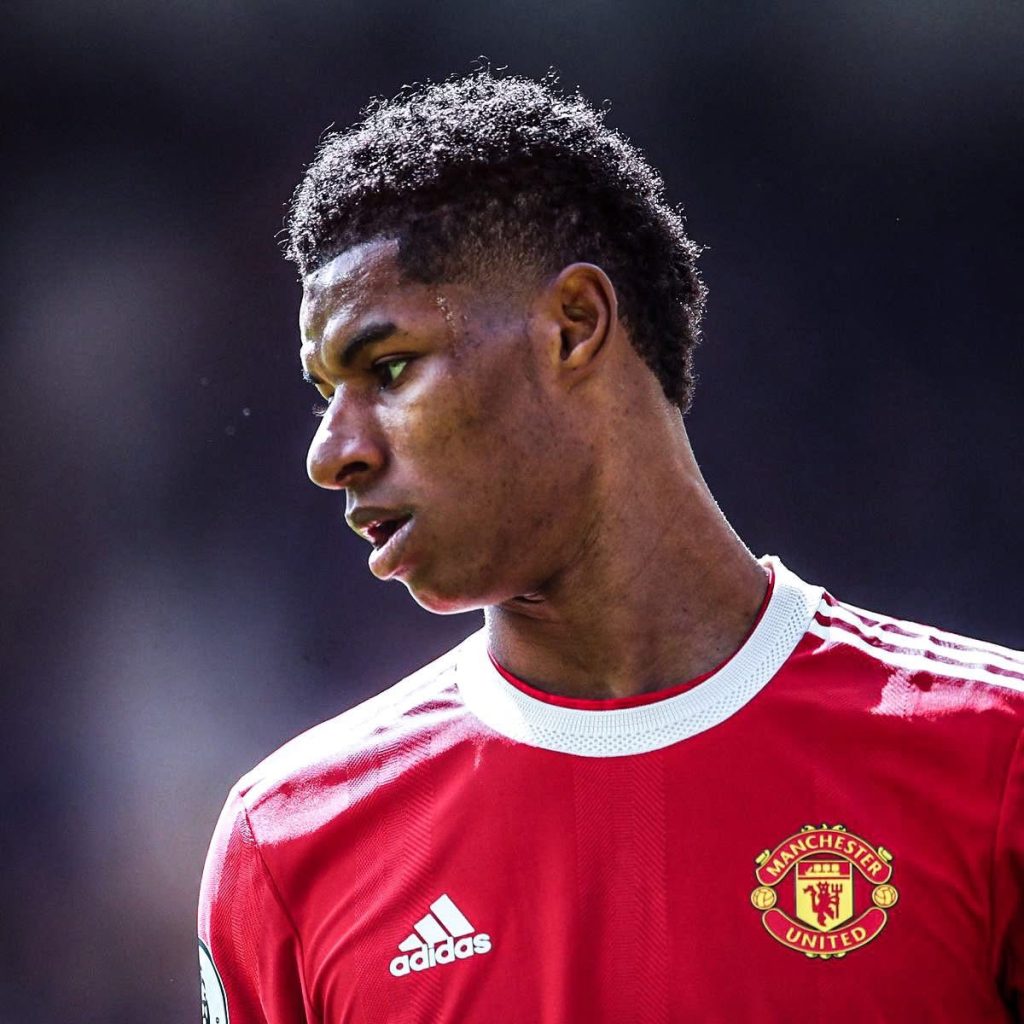
FC Barcelona’s cool response to Marcus Rashford has surprised many fans. Conditions look perfect for a deal. Rashford wants to join and will cut his salary. Manchester United seems open to a fair fee. Yet Barcelona stay distant. This shows deeper strategic reasons beyond just money.
Performance Concerns and Form Analysis
Barcelona worry about Rashford’s recent form. He shone in 2022-23 with 30 goals. But 2023-24 brought only 8 goals in 43 games. That drop raises big questions.
Technical staff point to inconsistency. Rashford sometimes vanishes in key matches. Barcelona need reliable performers all season. They focus on positional play and team pressing. Rashford has struggled here lately.
His finishing in big moments has weakened too. Barcelona want clinical attackers who score chances. Rashford’s conversion rate fell from his best years. These doubts hold Barcelona back.
Tactical Incompatibility and System Concerns

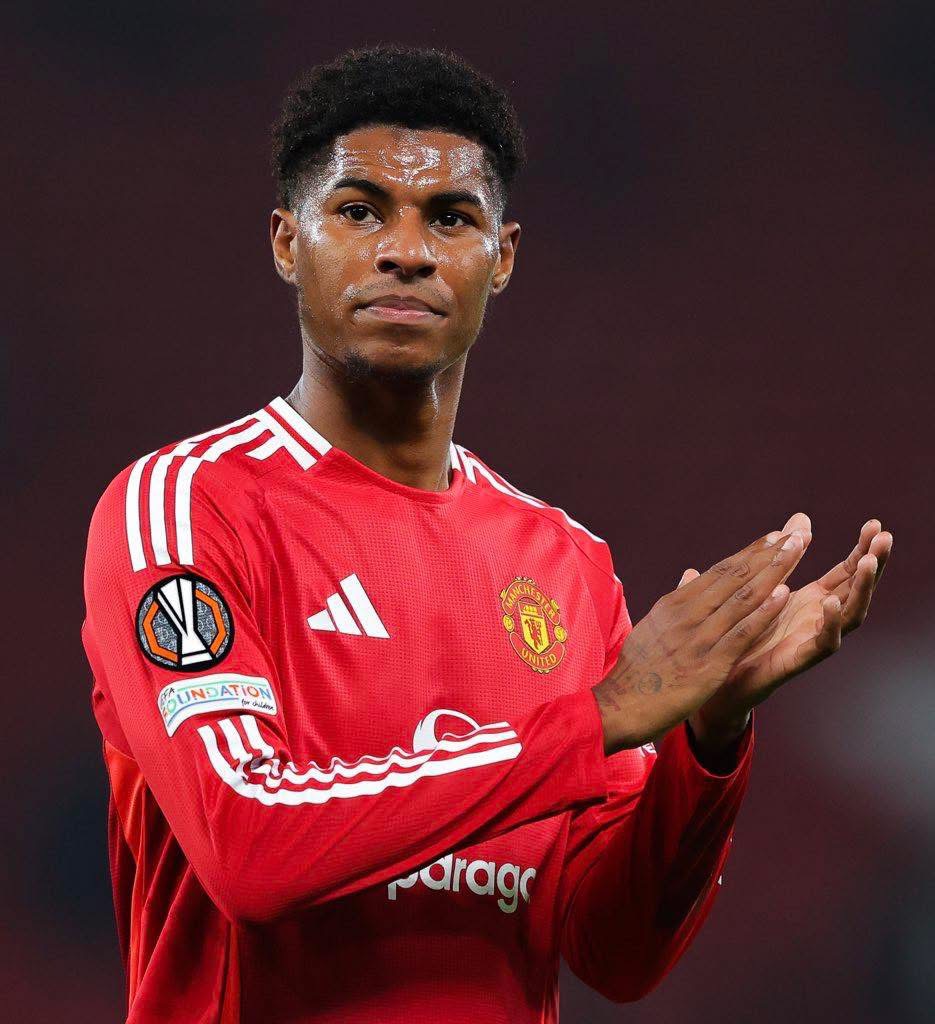
Barcelona’s hesitation also stems from tactical concerns about how Rashford would integrate into their specific playing system. The club’s possession-based philosophy requires forwards who excel in tight spaces, demonstrate excellent first-touch control, and can contribute to build-up play from deep positions. Rashford’s style, traditionally more suited to counter-attacking football and direct play, may not align perfectly with Barcelona’s tactical requirements.
Under coach Hansi Flick, Barcelona have emphasized collective pressing and positional discipline, areas where Rashford has shown inconsistency throughout his career. The club’s technical analysis suggests that adapting Rashford’s game to their system would require significant tactical re-education, presenting risks that Barcelona appears unwilling to take.
Furthermore, Barcelona’s current forward line already features players like Robert Lewandowski, Raphinha, and emerging talents like Lamine Yamal, creating questions about where Rashford would fit within the established hierarchy. The club’s preference for technical players who can operate effectively in multiple positions contrasts with Rashford’s more specialized skill set.
Financial Priorities and Alternative Targets
Despite the apparent financial feasibility of the deal, Barcelona’s reluctance reflects their strategic prioritization of other targets who better align with their long-term vision. The club has identified younger, more versatile players who could provide greater value over extended periods, making Rashford’s potential short-term impact less appealing.
Barcelona’s financial constraints, while real, are not the primary obstacle in this case. Instead, the club appears to be reserving their limited resources for players who represent better long-term investments. The signing of a 27-year-old player experiencing a decline in form, even at reduced costs, may not align with their vision of building a sustainable competitive team.
FC Barcelona Completes the signing of Swedish Sensational Player
Age Profile and Long-Term Planning

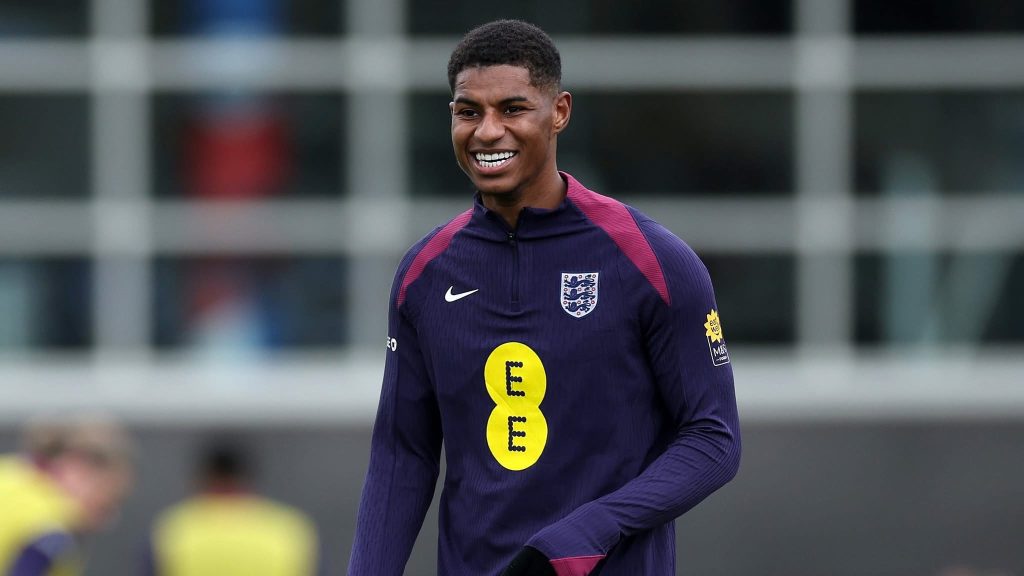
Barcelona’s commitment to developing young talent and building for the future has influenced their lukewarm response to Rashford’s availability. At 27, Rashford represents a player approaching his peak years rather than someone who fits into Barcelona’s youth-oriented rebuilding project. The club’s recent success with promoting academy graduates and integrating young signings has reinforced their belief in this approach.
The emergence of players like Pedri, Gavi, and Lamine Yamal has demonstrated the value of investing in younger talents who can develop within Barcelona’s system over many years. Rashford’s age profile suggests he would provide immediate impact but limited long-term value, conflicting with the club’s strategic direction.
Barcelona’s preference for players who can contribute for 6-8 years rather than 3-4 years has influenced their decision-making process. The club’s financial recovery requires investments that provide sustained value, making younger alternatives more attractive despite potentially higher initial costs.
Market Positioning and Negotiation Strategy
Barcelona’s apparent disinterest may also represent a calculated negotiation strategy designed to secure even more favorable terms. By maintaining distance from the transfer, the club may be attempting to force further concessions from both Manchester United and Rashford, potentially reducing the financial commitment even further.
This approach shows Barcelona’s understanding that their brand appeal remains strong enough to influence player decisions, even without aggressive pursuit. The club’s confidence in their ability to attract players may have led them to adopt a more passive stance, expecting interested parties to meet their terms rather than actively pursuing transfers.
The strategy also allows Barcelona to maintain flexibility in their transfer planning, avoiding commitment to one target while continuing to explore alternatives that may emerge later in the window.
Dressing Room Dynamics and Leadership Questions


Internal considerations about squad harmony and leadership dynamics may also influence Barcelona’s reluctance. Rashford’s personality and leadership style have been questioned during his time at Manchester United, particularly during periods of poor form and team struggles. Barcelona’s young squad requires positive influences and strong mentors, qualities that may be uncertain with Rashford.
The club’s emphasis on maintaining a positive dressing room atmosphere and strong collective spirit has influenced their player selection process. Any concerns about Rashford’s ability to contribute positively to team chemistry could explain their hesitant approach, regardless of his technical abilities.
Barcelona’s recent success has been built on strong squad unity and shared commitment to the club’s philosophy. Introducing a player who may not fully embrace these values could disrupt the positive dynamics that have contributed to their improvement.
Competition Analysis and Market Alternatives
Barcelona’s lack of urgency may also reflect their assessment of limited competition for Rashford’s signature. With few clubs capable of matching his salary demands and transfer fee, Barcelona may feel they can afford to wait and potentially secure better terms closer to the transfer deadline.
The club’s analysis of alternative targets may have identified players who offer better value propositions, either through lower costs or superior fit within their system. This strategic patience allows Barcelona to make more informed decisions rather than rushing into transfers that may not represent optimal value.
Their ongoing monitoring of other markets, including potential departures that could create unexpected opportunities, may have contributed to their relaxed approach to the Rashford situation.